

News + Thought
Graph engineering for AI agents: who can restart a release?
Suppose a client agrees to pause publishing for half an hour while we move their website to a new CMS. The next migration rehearsal takes 45 minutes. The release checklist says we have client approval. The stopwatch says we have a problem. What should an agent do with those two pieces of information? This is where graph engineering for AI agents becomes useful: the failed rehearsal tells us exactly which decision to reopen.
We’ve used graph engineering on real work at Skywire. We’re still working out how to roll it out across more projects and where the approach needs improving. This migration is a worked example. I like it because the technical problem is easy to explain, but you’d get into trouble quite quickly if you let an agent decide for itself what “approved” means.
What are we putting in the graph?
For a CMS migration, I’d start with the question the team has to answer on release day: can we go ahead with this cutover? To answer it, the agent needs to connect the proposed plan to the client’s approval and the latest rehearsal of that plan.
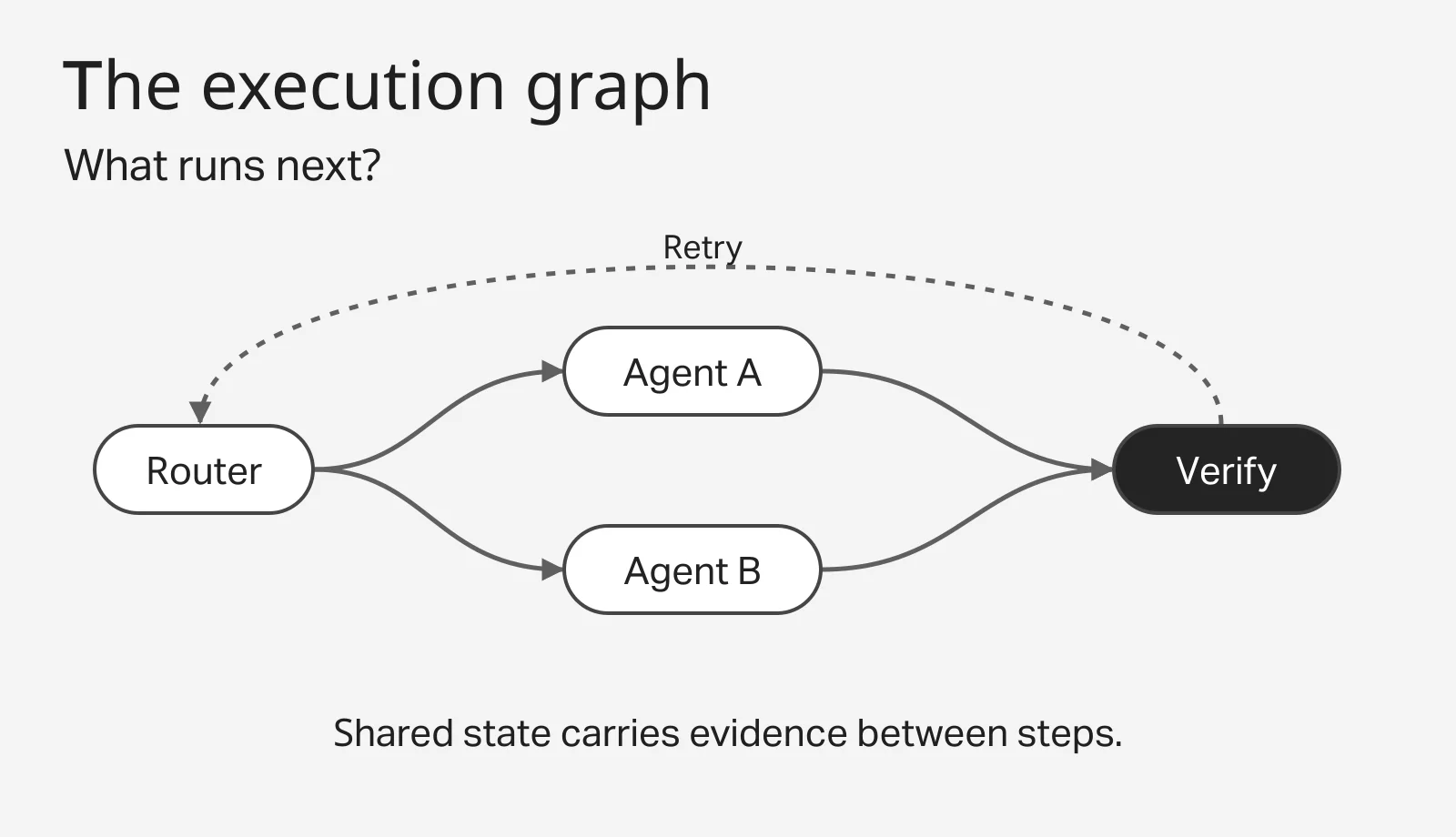
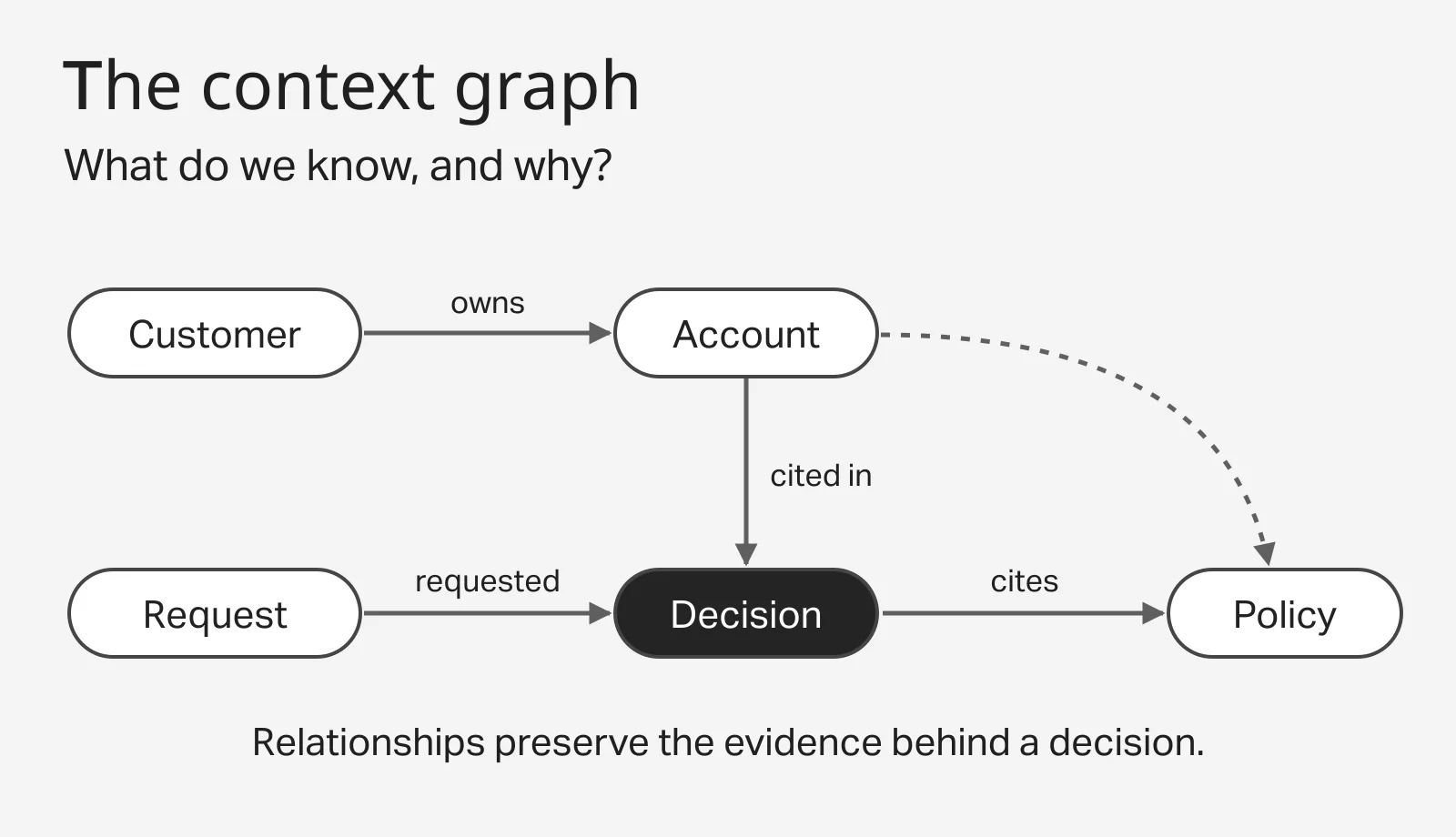
Take the approval. We want to know who gave it, which version of the cutover plan they saw and how long they agreed to stop publishing. Then take the rehearsal. We want the duration, the plan we rehearsed, and the person responsible for interpreting the result. The graph connects those records. Now we can ask a precise question before release: does the latest rehearsal support the plan the client approved?
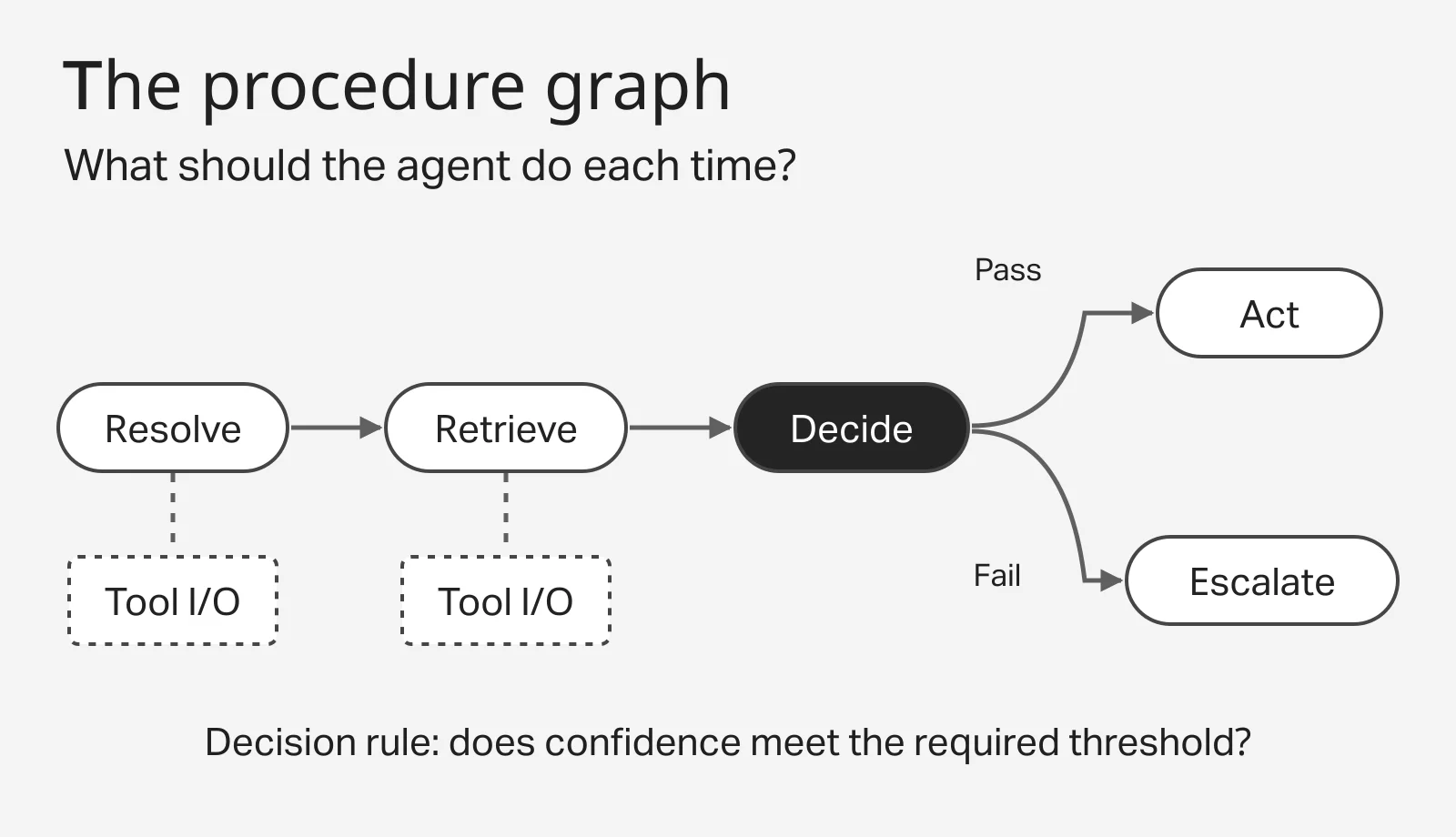
That decision has two routes out of it. One lets the product owner proceed. The other puts the cutover on hold and sends the timings back to the tech lead. Making those routes explicit is the engineering work. Drawing the boxes is the easy bit. In AI agent orchestration, those routes tell the agent whose decision it needs before it can carry on. We use independent review in an AI software factory for a similar handover.
One edit that misses the move
Imagine an editor updates a campaign page after we’ve taken the final copy of the old CMS. They check the page on the live site, and it looks fine. An hour later we switch sites, and the old copy reappears. Both publishing and migration could have reported success.
An independent reviewer could catch this in rehearsal by publishing an edit after the copy starts, then checking what actually appears on the destination. That gives us a reproducible finding and two plausible ways forward. We can agree on a short editorial freeze. Or we can spend an estimated extra development day bringing late edits across and testing what happens at the point of switchover.
I’d want both options put to the tech lead, the account manager and the product owner. The tech lead can assess the timings and the risk to edits. The account manager knows whether the client has a campaign going live that morning. The product owner can weigh those up and choose within the agreed budget and publishing window. If the team needs to charge for another day or change a commitment, the account manager takes the options and a recommendation to the client.
The numbers that matter at cutover
Say the client chooses the freeze and approves 30 minutes. The tech lead wants ten minutes of headroom and records why on the graph. That sets a rehearsal target of 20 minutes. When the rehearsal takes 45, I want to see all three numbers together. Each answers a different question. What did we promise? How much margin does the team need? What happened when we tried it?
The agent can put the cutover on hold and attach the timings. The client’s original approval is still useful. If the tech lead improves the copy process and a fresh rehearsal comes in at 18 minutes, the product owner can see that the plan fits. If the revised plan still fits what the client approved, the product owner can proceed without asking for the same half hour again.
A 25-minute result is more interesting. It fits inside the client’s window but misses the team’s target. I’d want that to go to the tech lead with the five-minute shortfall visible. Asking the client for a longer freeze at that point would skip the person who set the buffer. If the team does conclude it needs longer, the account manager can explain why and give the client the option of continuing to publish during the move.
What the team should see
I’d want the graph visible alongside short written updates. On the graph, highlight the rehearsal and its route back to the tech lead. Beside it, the update can be as short as “Cutover on hold. The rehearsal took 45 minutes against a 30-minute approval. The tech lead is reviewing the timings.” Someone looking after the campaign can tell whether they need to act. Someone investigating the release can follow the link to the evidence.
One thing I want us to get better at is making the reasoning visible to someone who wasn’t in the room. If they still need to find the original Slack thread to understand why a release is on hold, we’ve got more work to do. That evidence trail matters in our AI development work. It also gives us a useful question for SEO for LLMs: if an assistant quotes an old collection detail, can the team trace it back to the page that supplied it?
I’d start with a checklist. I’d reach for a graph when a result late in the process can change what we do next, whose approval still holds, or who needs to hear about it.
Frequently asked questions
Could we put this in a release checklist?
Yes. For a routine release with a familiar sequence, a clear owner and an agreed response to a failed check, I would. In this example, the value of a graph is being able to follow a failed rehearsal back to a particular approval and see which decisions need reopening.
Who can change the ten-minute buffer?
The tech lead can set it for this migration and record the reason. Making it a default for every migration is a separate decision. I’d want the agent to show the release process owner how much rehearsal time has varied and which projects would be affected before they adopt a blanket rule.
Does everyone need to be notified when the rehearsal fails?
Everyone with access can see the updated state. The tech lead needs a direct update because there’s a decision to make. The account manager needs one if the recovery plan changes a client commitment. That distinction helps keep the agent’s messages worth reading.
Where would you start on an existing project?
Pick one decision that people regularly have to reconstruct. Look at the last time it happened. What evidence did somebody ask for, who could make the call, and what changed as a result? Model that small piece and give it to a colleague who missed the discussion. See whether they can work out the next step.